
INVERCARGILL · OFFICIAL COUNCIL DATA
What's actually in Invercargill's tap water
Invercargill City Council answered with a year of monitoring for both zones it runs - the city and Bluff - 745 samples at eighteen network sites, plus monthly chemistry at the Branxholme plant. E. coli: zero detections all year. The water is safe. It starts as Oreti River water, and the same release shows what stays in it at the tap: chlorine, added fluoride, and the by-products river water picks up from chlorination. The free check reads your address.
THE HEADLINE NUMBERS
One river, two zones, a spotless year.
Your water passes New Zealand's rules. Invercargill City Council treats it properly - the Oreti River goes through coagulation, sand filtration, UV, activated carbon, fluoridation and chlorination before it reaches you - and their own results show it. The same results show what stays in the water at the tap. All measured. All inside the legal limits. The trihalomethane totals still sit hundreds of times above the EWG health guideline. The numbers are below; what you do about them is up to you.
ZONE BY ZONE
What was found in your zone
Chlorine, pH, turbidity and the bacteria tests run year-round at eighteen network sites; metals every six months and chlorination by-products each quarter at the council's two zone codes. These are the results, straight from the release. Typical figures are the year's medians; peaks are the highest single sample.
| Zone | Chlorine, typical | THMs, highest sample | E. coli | Worth knowing |
|---|---|---|---|---|
| Invercargill city | 0.51 mg/L | 0.0286 mg/L | 0 in 378 samples | copper and zinc traces, well inside limits |
| Bluff | 0.52 mg/L | 0.0372 mg/L | 0 in 99 samples | copper 0.022 mg/L at the Service Centre, inside the 1.3 health goal |
Source: Invercargill City Council LGOIMA response, received 2 September 2026. Chlorine typicals are zone medians, July 2025 to June 2026; pH ran 7.7 and 7.6 typical, turbidity 0.36 and 0.5 NTU typical. THM figures are the highest per-sample total from the May 2026 quarterly round, summing quantified species only (bromoform sat below detection throughout); the lab's own per-species compliance ratios check out. Every haloacetic acid species came back below detection. Metals: lead, mercury, cadmium, chromium, antimony and nickel all below detection in both zones. Fluoride is measured in treated water leaving the Branxholme plant, which feeds both zones - 0.72 mg/L median across fourteen monthly samples, one November sample at 0.08. All readings sit inside New Zealand's legal limits. The pipeline booster site between the city and Bluff is excluded from zone figures. No PFAS or microplastics tests anywhere in the release.
WHAT THIS MEANS FOR YOUR HOUSE
Three things to know.
River water, thoroughly treated
The Oreti River works through the whole Branxholme treatment train - coagulation, sand filtration, UV and activated carbon among the steps - and the operator's record is genuinely clean: not one E. coli or coliform detection in 477 samples. What treatment leaves behind is the point of this page - chlorine, fluoride, and the by-products below.
By-products, highest in Bluff
Chlorine meeting river organics forms trihalomethanes. The city's May 2026 samples ran 0.0179 to 0.0286 mg/L; Bluff, at the end of the line, reached 0.0372 at Stirling Point. Inside the legal limits, 248 times the EWG health guideline - both true. Haloacetic acids came back below detection everywhere.
Fluoride is added on purpose
Fluoridation is a listed step in the plant's own process, and treated water left Branxholme at 0.72 mg/L typically. One November sample read 0.08, so the dose does move. Bluff drinks the same water. Only reverse osmosis removes fluoride - around 90%, at the kitchen tap.
YOUR ADDRESS
This is the city picture. Get the report for your home.
The free water check takes about two minutes, and it includes the PDF water report for your address - written from the same release, read for your house.
THE SYSTEM THAT FITS
What we'd fit in Invercargill.
Fluoride, THMs and microplastics only come out at the kitchen tap with reverse osmosis, and that's the ES60's job. If it's the chlorine in your showers that bothers you, that's a whole-house filter - we supply those by arrangement, so call us on 021 709 370.
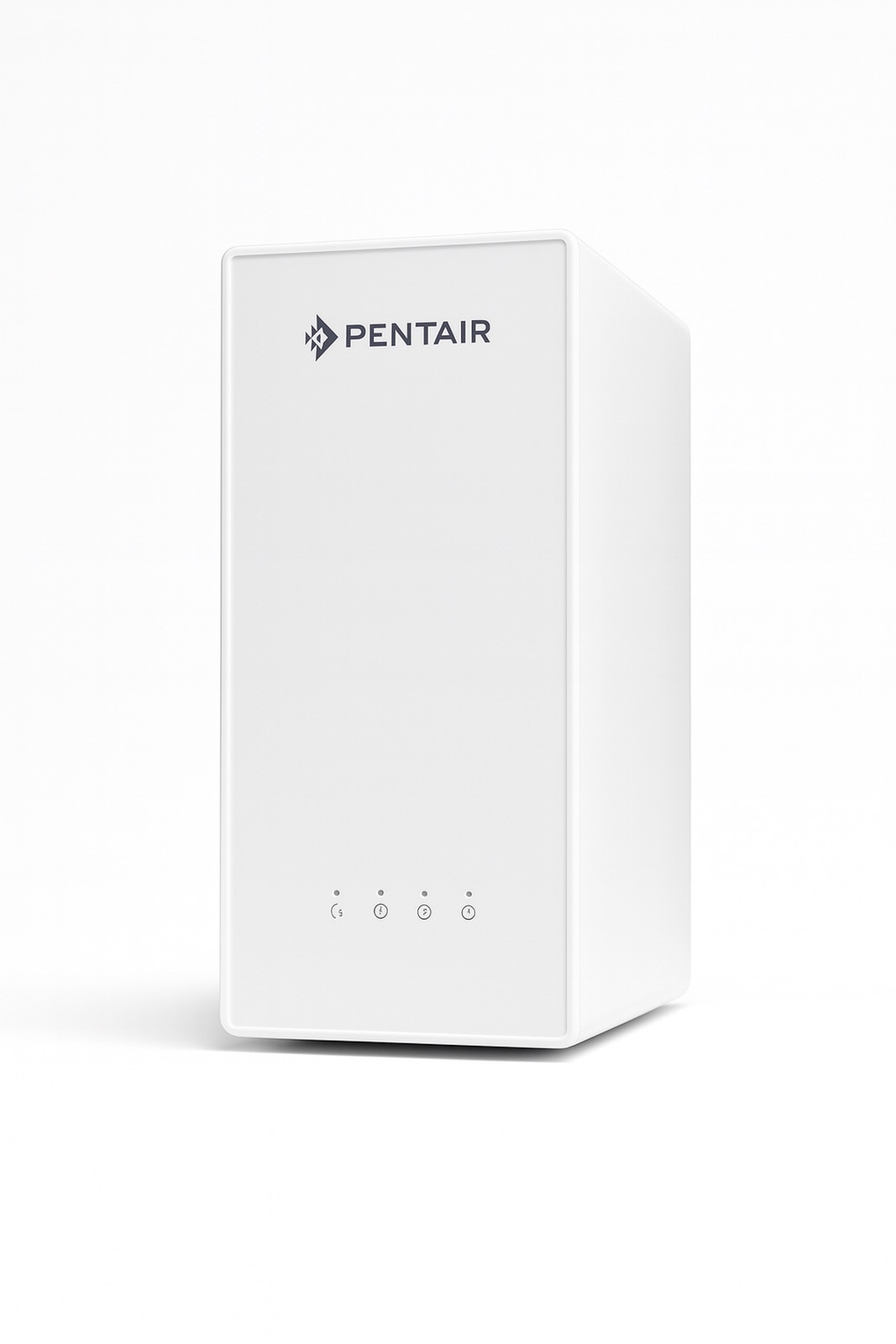
Under the sink · removes fluoride, PFAS and microplastics
Pentair ES60 under-bench RO
RRP $1,748 $1,595 Save $398
The one for river-fed supplies. Reverse osmosis removes 99.9% of microplastics in published testing, 94%+ of PFAS, and around 90% of the fluoride the plant adds. No tank, and it tells you when filters are due. Ships with the first year's refill free.
ViewINVERCARGILL WATER QUESTIONS