MATAMATA-PIAKO · OFFICIAL COUNCIL DATA
What's actually in Matamata-Piako's tap water
Matamata-Piako District Council released its complete lab workbook - every source, plant and reticulation zone it runs, Matamata to Te Aroha. E. coli: zero detections in 254 samples. The water is safe. The same release shows what stays in it at the tap: chlorine in every zone, a lead trace in every zone, and in Morrinsville the highest chlorination by-products in the district. The free check reads your address.

THE HEADLINE NUMBERS
Seven zones, one clear pattern.
Your water passes New Zealand's rules. Matamata-Piako District Council treats it properly, and its own results show it. The same results show what stays in the water at the tap. Every zone returned a lead trace - the health goal for lead is zero. Morrinsville's dam-fed supply returned haloacetic acids at 660 times the EWG health guideline, inside New Zealand's limits. The numbers are below; what you do about them is up to you.
ZONE BY ZONE
What was found in your zone
Chlorine, pH, turbidity and the bacteria tests run weekly in the four town supplies and monthly in Tahuna, Hinuera and Te Poi; metals once or twice a year, chlorination by-products once. These are the council's own results. Typical figures are the year's medians; peaks are the highest single sample.
| Zone | Chlorine, typical | THMs, highest sample | Haloacetic acids | Worth knowing |
|---|---|---|---|---|
| Matamata | 1.19 mg/L | Not detected | Not detected | copper 0.019 mg/L, inside the 1.3 health goal; lead 0.00038 |
| Waharoa | 1.00 mg/L | 0.0015 mg/L | Not detected | lead 0.00033 mg/L - the health goal is zero |
| Te Aroha | 1.08 mg/L | 0.0118 mg/L | Not detected | lead 0.00073 mg/L - the district's highest |
| Morrinsville | 1.00 mg/L | 0.0475 mg/L | 0.066 mg/L | chlorine peaked at 1.7; by-products 316 and 660 times the EWG guidelines |
| Tahuna | 1.02 mg/L | Not detected | Not in the release | lead 0.00016 mg/L; zinc 0.015, well under the taste threshold |
| Hinuera | 1.02 mg/L | Not detected | Not in the release | lead 0.00016 mg/L - the health goal is zero |
| Te Poi | 0.93 mg/L | 0.0071 mg/L, see note | Not in the release | lead 0.00005 mg/L - the smallest trace in the district |
Source: Matamata-Piako District Council LGOIMA response, lab-data workbook run 30 August 2026. Chlorine typicals are zone medians, August 2025 to August 2026 - weekly in Matamata, Waharoa, Te Aroha and Morrinsville, monthly in Tahuna, Hinuera and Te Poi. pH ran 7.0 to 7.4 typical across the zones; turbidity peaked between 0.3 and 0.5 NTU. THM and HAA figures are from the October 2025 round (Morrinsville has a second HAA round, July 2026), summing quantified species; HAA sums the three acids the lab reports. Te Poi's THM figure is a partial sum - the export has no bromodichloromethane column for that zone, and the lab's own sum-of-ratios says the true total is higher. Tahuna, Hinuera and Te Poi carry no haloacetic acid results in the release. Metals: lead was detected in every zone; mercury, antimony and cadmium below detection everywhere except one cadmium trace at Te Poi. All readings sit inside New Zealand's legal limits. No fluoride result appears anywhere in the release, and there are no PFAS or microplastics tests.
WHAT THIS MEANS FOR YOUR HOUSE
Three things to know.
Morrinsville's dam water and its by-products
Chlorine meeting the organic matter in dam water forms trihalomethanes and haloacetic acids. Morrinsville's THM peak of 0.0475 mg/L is 316 times the EWG health guideline, and its haloacetic acid total of 0.066 mg/L is 660 times the guideline for that group. Inside New Zealand's per-acid limits, and the highest by-product readings in the district - both true. Te Aroha's dam-and-river supply came in at 0.0118.
A lead trace in every zone
Lead does not come from the treatment plant. It is picked up on the way to your tap, from old pipes, solder and brass fittings. The council found it in all seven zones - Te Aroha's 0.00073 mg/L is 7% of the legal limit and 3.6 times the EWG guideline. The World Health Organization says there is no level of lead exposure known to be without harmful effects.
What the release cannot tell you
Zero E. coli detections in 254 samples is a genuinely clean year. But no fluoride result appears anywhere in the workbook, so this page does not say either way. And not one test for PFAS or microplastics in the whole release. Zero is a choice you make at your own tap.
YOUR ADDRESS
This is the district picture. Get the report for your home.
The free water check takes about two minutes, and it includes the PDF water report for your address - written from the same release, read for your house.
THE SYSTEM THAT FITS
What we'd fit in Matamata-Piako.
The lead trace in every zone, Morrinsville's by-products, and the PFAS and microplastics nobody tests for only come out at the kitchen tap with reverse osmosis, and that's the ES60's job. If it's the chlorine in your showers that bothers you, that's a whole-house filter - we supply those by arrangement, so call us on 021 709 370.
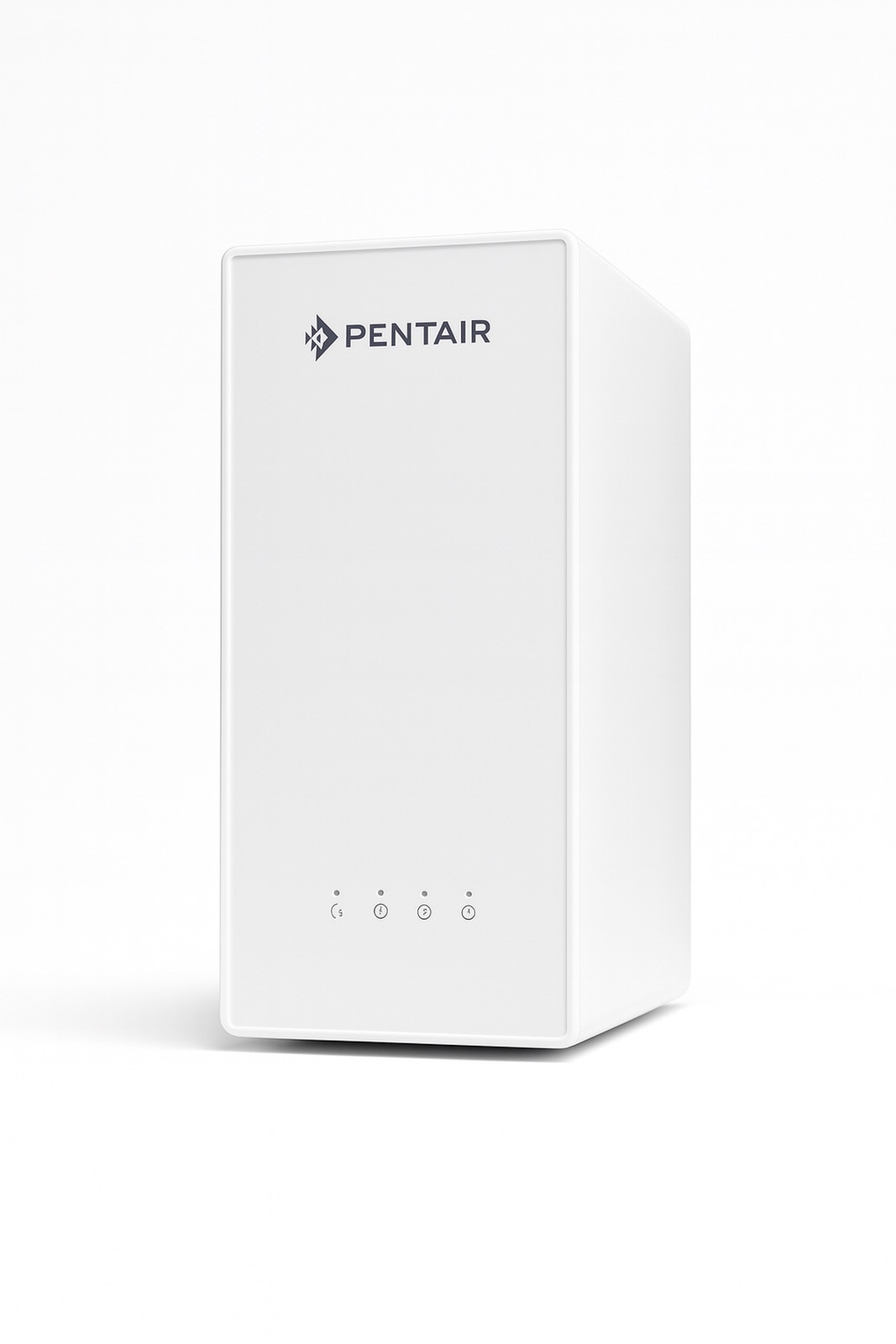
Under the sink · removes lead, THMs, PFAS and microplastics
Pentair ES60 under-bench RO
RRP $1,748 $1,595 Save $398
Independently lab-tested (report FW250926-28-C), including trichloromethane - the main THM. Reverse osmosis removes 99.9% of microplastics in published testing and 94%+ of PFAS. No tank, and it tells you when filters are due. Ships with the first year's refill free.
ViewMATAMATA-PIAKO WATER QUESTIONS