WAIKATO DISTRICT · OFFICIAL COUNCIL DATA
What's actually in the Waikato district's tap water
Waikato District Council released a year of results for all thirteen zones it runs - Huntly, Ngaruawahia, Raglan, Te Kauwhata, Tuakau, Pokeno and the rest. 1,801 chlorine samples. E. coli: not one detection in 1,181 samples. The water is safe. Most of it starts as Waikato River water, and the latest quarter's chemistry shows what that leaves at the tap - zone by zone below. The free check reads yours.

THE HEADLINE NUMBERS
Twelve of thirteen zones sit above a health goal.
Your water passes New Zealand's rules. Waikato District Council treats its water properly, and their own results show it. The same results show what stays in the water: the chlorine that already did its job, the fluoride five plants add on purpose, and the by-products chlorine leaves behind when it meets river water. All measured. All inside the legal limits. Raglan is the district's one zone with nothing above an international health-based goal - the other twelve each carry at least one. The numbers are below; what you do about them is up to you.
ZONE BY ZONE
What was found in your zone
Chlorine is tested year-round in every zone; metals and chlorination by-products each quarter. These are the council's own results. "Readings above health goals" counts results sitting above a US EPA health goal or EWG health guideline - international health-based benchmarks that sit far below New Zealand's legal limits.
| Zone | Chlorine, typical | THMs, latest quarter | Haloacetic acids | Readings above health goals |
|---|---|---|---|---|
| Huntly | 1.19 mg/L | 0.0251 mg/L | 0.0207 mg/L | 3incl. a lead detection |
| Ngaruawahia | 1.07 mg/L | 0.0422 mg/L | 0.0172 mg/L | 2 |
| Te Kauwhata | 0.91 mg/L | 0.0268 mg/L | 0.0084 mg/L | 2 |
| Pokeno | 1.07 mg/L | 0.0346 mg/L | Not detected | 1 |
| Tuakau South | 0.99 mg/L | 0.0299 mg/L | 0.0118 mg/L | 2 |
| Whangamarino | 1.04 mg/L | 0.0221 mg/L | 0.0058 mg/L | 2 |
| Southern District | 0.81 mg/L | 0.0164 mg/L | Not detected | 1 |
| Western District | 0.57 mg/L | 0.0187 mg/L | 0.0044 mg/L | 2 |
| Northwestern District | 0.48 mg/L | 0.0206 mg/L | 0.0022 mg/L | 2 |
| Port Waikato | 0.68 mg/L | 0.0192 mg/L | 0.0041 mg/L | 3incl. a lead detection |
| Onewhero | 0.63 mg/L | Not detected | Not detected | 1a lead detection |
| Te Akau | 0.33 mg/L | 0.0252 mg/L | 0.0041 mg/L | 3incl. a lead detection |
| Raglan | 0.93 mg/L | Not detected | Not detected | 0the district's clean zone |
Source: Waikato District Council LGOIMA response ADM0101/27, received 19 August 2026. Chlorine typicals are zone medians across the year to August 2026; THM and haloacetic acid figures are the latest quarter's totals, summing quantified species only. Lead's health-based goal is zero (US EPA); THM and HAA goals are EWG health guidelines. All readings sit inside New Zealand's legal limits.
WHAT THIS MEANS FOR YOUR HOUSE
Three things to know.
River water means by-products
Most of the district drinks treated Waikato River water, and chlorine meeting river organics is how trihalomethanes form. Eleven of thirteen zones returned them in the latest quarter. Inside the legal limits, above the EWG health guideline - both true.
Fluoride depends on your zone
Huntly (0.85 mg/L), Ngaruawahia (0.72) and Te Kauwhata (0.67) fluoridate, and so do the plants feeding Tuakau, Pokeno and the Southern, Western and Northwestern districts. Raglan, Onewhero, Port Waikato and Te Akau do not. Only reverse osmosis removes it - around 90%, at the kitchen tap.
Safe and pure are different questions
Not one E. coli detection in 1,181 samples - the council is doing its job. The same release shows lead traces in four zones against a health goal of zero, and no PFAS or microplastics testing anywhere in it. Zero is a choice you make at your own tap.
YOUR ADDRESS
This is the district picture. Get the report for your zone.
The free water check takes about two minutes, and it includes the PDF water report for your address - written from the same council data, read for your house.
THE SYSTEM THAT FITS
What we'd fit in the Waikato district.
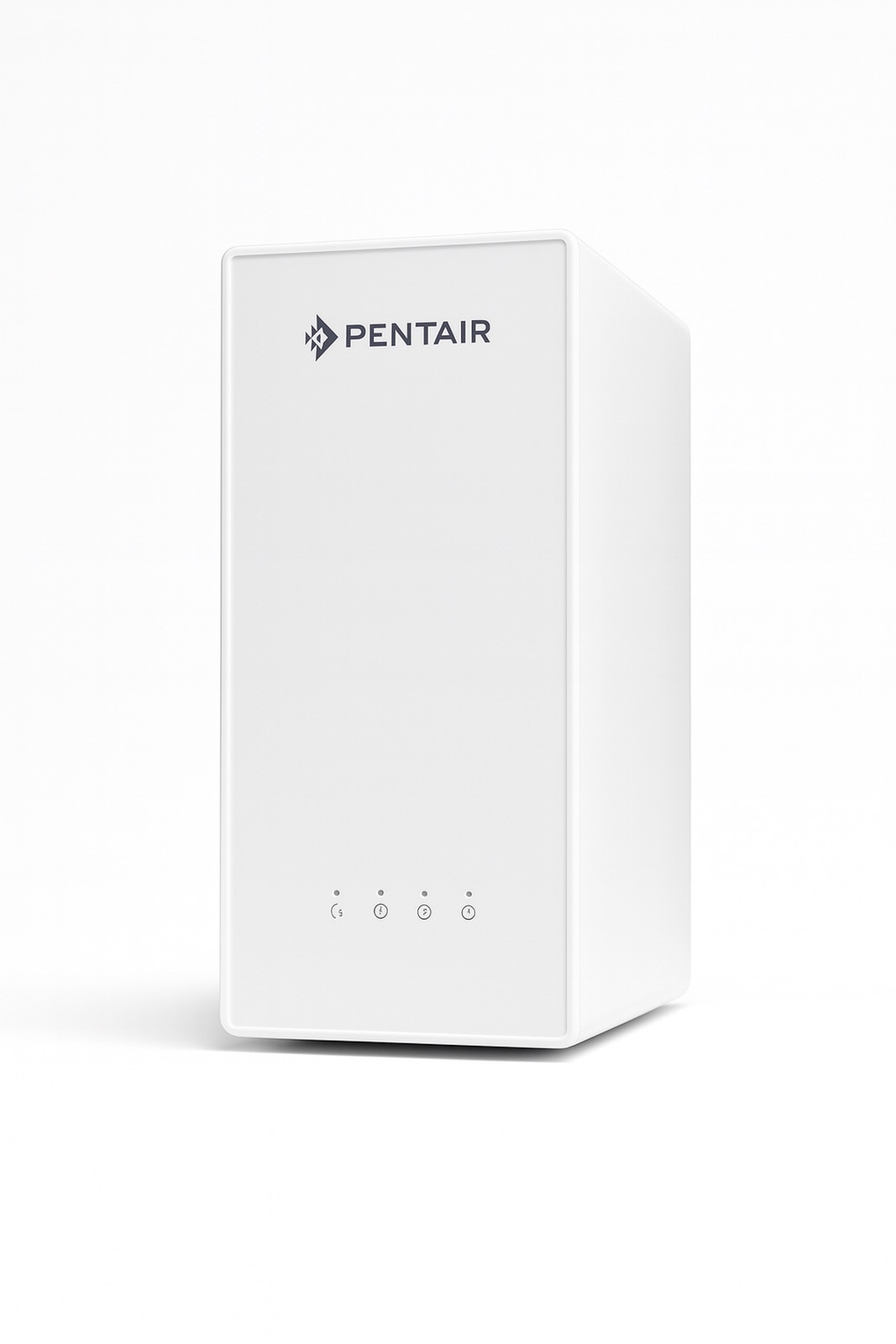
Fluoride, PFAS and microplastics only come out at the kitchen tap with reverse osmosis, and that's the ES60's job. If it's the chlorine in your showers that bothers you, that's a whole-house filter - we supply those by arrangement, so call us on 021 709 370.
Under the sink · removes fluoride, PFAS and microplastics
Pentair ES60 under-bench RO
RRP $1,748 $1,595 Save $398
The one for the river-fed zones. Reverse osmosis removes 99.9% of microplastics in published testing, 94%+ of PFAS, and around 90% of the fluoride where your zone adds it. No tank, and it tells you when filters are due. Ships with the first year's refill free.
ViewWAIKATO WATER QUESTIONS